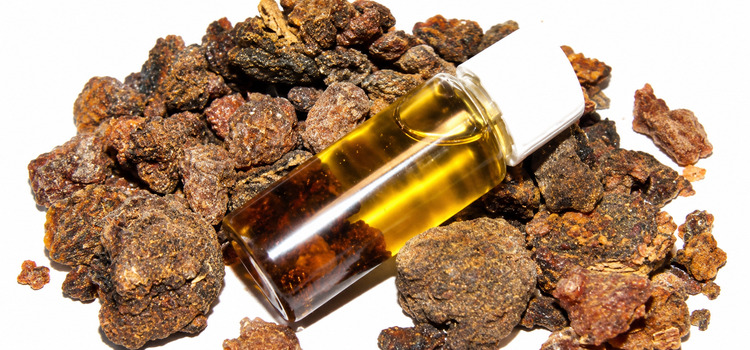
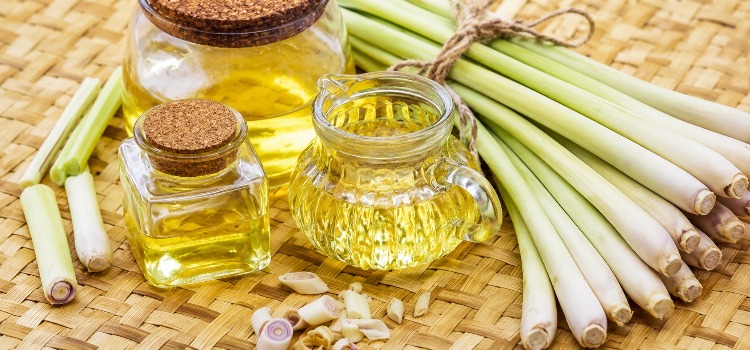
Hing Oil, the concentrated liquid form of asafoetida, occupies an odd space in the essential oils world. It's pungent enough to clear a room in its raw state, yet indispensable enough that entire cuisines and several pharmaceutical formulations depend on it. That contradiction is exactly why sourcing from the globally trusted and reliable Hing Oil Manufacturers takes more scrutiny than most buyers initially expect, since quality variance between suppliers tends to be wider here than with milder, more mainstream oils.
Why Purity Is Harder to Verify With Hing Oil Than It Looks
It is extracted from the oleo-gum-resin of the Ferula plant, and its strength comes from sulfur compounds that give it both its distinctive smell and its functional properties in food preservation and digestive formulations. The difficulty is that raw asafoetida resin varies significantly depending on the region it's harvested from, and lower-grade suppliers sometimes cut the extract with starch or gum arabic to stretch volume, a practice that's difficult to detect without lab testing. This is the single biggest reason experienced buyers stop trusting supplier claims and start asking for documented proof instead.
Practices That Separate Serious Manufacturers From the Rest
A few operational habits tend to show up consistently among manufacturers who actually maintain quality standards:
-
Resin-source verification confirming the exact Ferula species and harvesting region before processing begins.
-
Controlled extraction methods using standardised solvent or steam-based extraction rather than inconsistent small-batch methods that vary by operator.
-
Adulteration testing includes checks for starch, gum, or any other inclusion used as a bulking agent by unscrupulous traders.
-
Batch-specific lab reports and GC or HPLC analysis specific to the shipment being shipped (not a reuse of a certificate from the months before).
-
Stable conditions-sensitive current storage conditions keep the concentrated resin away from dampness that speeds up its decomposition and affects its dosage.
The Manufacturing Step Most Buyers Never Ask About
One detail that rarely comes up in buyer conversations is dilution ratio consistency. Since raw hing oil is far too concentrated and pungent for direct use, manufacturers dilute it to standardised percentages for food-grade and pharmaceutical applications. A supplier who can't explain their exact dilution process, or who changes it inconsistently between batches, is effectively asking a buyer to trust an unverifiable number. This single gap causes more formulation problems downstream than almost any other quality issue tied to it.
The Warm Spice Oil That Often Enters the Same Conversation
Buyers sourcing this oil for food-grade or pharmaceutical applications frequently end up comparing notes with Mace Oil Manufacturers as well, since it is derived from the outer covering of the nutmeg seed and shares a similar role in warming, aromatic spice blends, and select medicinal formulations. Mace oil's quality hinges on similar factors: verified botanical source, controlled extraction temperature, and batch testing to confirm myristicin content stays within safe, consistent ranges. The sourcing questions overlap almost entirely, even though the two oils serve different final applications.
Where Mustard Oil Fits Into Broader Sourcing Decisions
A separate but related comparison often comes up around Mustard Oil Manufacturers, particularly among buyers building broader culinary or industrial oil portfolios alongside hing oil. Mustard oil is cold-pressed from mustard seeds and valued for its high erucic acid content and pungent flavour, used extensively in cooking, pickling, and select topical applications across worldwide markets. As with hing oil, verifying the extraction method and checking for adulteration matters just as much here, since mustard oil is another product where blending with cheaper oils is a known industry problem.
What This Means for Buyers Placing Bulk Orders
Consistency across shipments is really the whole game with hing oil. A single excellent sample proves very little if the next batch smells or performs differently, so buyers are better served asking about a manufacturer's repeat client base and export history rather than judging quality off one impressive delivery. Manufacturers who maintain the same sourcing regions and extraction process order after order are, in practice, far more dependable than those who source opportunistically based on whatever raw resin is cheapest that month.
Making the Right Sourcing Decision
Choosing the right manufacturer whom you can trust is about much more than price comparison and product quality. Secure sourcing can only begin when raw materials are verified, manufacturing processes are transparent, quality documentation relates to each specific batch of oil, and the product performs reliably each time. Sellers committed to these rules mitigate risk for buyers and give peace of mind about whatever is received. We at Silverline Chemicals have set and continue to focus on strict quality control, assured sourcing, and batch-specific documentation to enable buyers worldwide to do just that.
Frequently Asked Questions:
1. What is hing oil mainly used for?
It shows up most often in food flavouring and spice blends, prized for that sharp, unmistakable aroma, but it also plays a role in herbal preparations and select pharmaceutical formulations where its digestive properties matter more than the smell.
2. What actually determines the quality of hing oil?
It comes down to a few things working together: the raw asafoetida resin itself, how carefully it's processed, whether the dilution ratio stays consistent, and whether the manufacturer actually tests each batch rather than assuming quality holds steady on its own.
3. Why does batch-to-batch consistency matter so much with this particular oil?
Because even a small variation shows up fast. A shift in aroma or flavour strength between batches can throw off an entire product formulation, which is why buyers relying on hing oil for commercial use tend to care more about consistency than almost anything else on the spec sheet.
4. What's the correct way to store hing oil so it doesn't lose potency?
Keep it in a well-sealed container, away from heat and direct sunlight, and somewhere moisture won't get in easily. All three speed up degradation if they're overlooked, even if the oil looks fine on the surface.
5. What should I actually check before choosing a Hing Oil Manufacturer?
Look for transparency about where the resin is sourced, real quality control rather than surface-level claims, production that stays consistent order after order, and the ability to fulfil bulk orders reliably without delays creeping in.