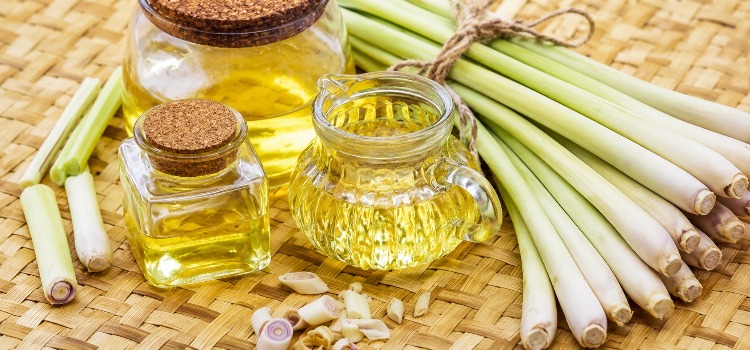
Finding the right Lemongrass Oil Manufacturers isn't as simple as picking whoever shows up first on a search or quotes the lowest price. We talk to a lot of buyers at Silverline Chemicals who made that exact mistake and regretted it later. Lemongrass Oil feels easy to source; it's affordable, widely available, and doesn't seem as complicated as some rarer essential oils. That's exactly the problem. Because it feels simple, buyers skip steps they really shouldn't skip. Here are the seven mistakes we see most often, and how to actually avoid them.
Common Mistakes Buyers Make (And How to Avoid Them)
Mistake 1: Assuming Every Batch Has the Same Citral Content
Citral is the compound that gives lemongrass oil its sharp citrus smell, and it's the main reason the oil works so well in food flavouring and fragrance. But the amount of citral in the oil can change a lot depending on the plant type, where it was grown, and how carefully it was distilled. If a supplier just says "high quality" without giving you a number, that doesn't tell you much. That's usually how buyers end up with oil that doesn't perform the way they expected.
Mistake 2: Skipping Batch-Specific Testing
An old test report doesn't tell you anything about the batch sitting in front of you right now. Lemongrass oil changes a fair bit depending on when it was harvested and how the distillation was done, so the only real way to know what you're buying is a fresh test report for that exact batch. Skip this, and you're just trusting a label instead of an actual test.
Mistake 3: Chasing the Cheapest Price
Since lemongrass oil is already affordable, it's tempting to just go with whoever quotes the lowest price. But an unusually low price is rarely random; it usually means something got cut: testing, proper sourcing, or storage that actually protects the oil. Whatever you save at first tends to disappear fast once a bad batch messes up your product.
Mistake 4: Not Asking About Storage
Lemongrass oil breaks down over time, especially when it's kept in heat or light. A supplier who doesn't store it properly can end up sending oil that's already weaker than it should be. Simply asking how the oil is stored and how quickly they sell through their stock tells you a lot more than anything written on their website.
Mistake 5: Ignoring Export Experience
Making good oil and shipping it abroad smoothly are two different skills. Buyers who don't check a supplier's export history sometimes only find out the hard way, when a shipment gets stuck at customs because the paperwork wasn't done right.
Mistake 6: Not Asking About Species and Distillation Method
There's more than one type of lemongrass plant, and the way the oil is distilled changes its smell quite a bit. Buyers who don't ask about this upfront sometimes end up with oil that just doesn't match what they actually need. One simple question before ordering avoids this completely.
Mistake 7: Not Asking for Full Paperwork
A Certificate of Analysis, an MSDS, and a Certificate of Origin should come with every shipment automatically; you shouldn't have to ask twice. If a supplier hands these over without hesitation, that usually says a lot about how seriously they take quality.
The Citrus Oil Buyers Often Compare With Lemongrass
People searching for manufacturers of Lemongrass oil often end up looking at Lemon Oil Manufacturers too, since both have that bright citrus smell, but are used differently. Lemon oil is cold-pressed from the fruit's rind instead of distilled from grass, and it breaks down even faster, so storage matters even more here. The same goes for any kind of sourcing. You want to ask about the possibility of batch testing, how the material is extracted, and work with a supplier that has proven consistency, order after order, rather than one that only does a good job sporadically.
The Oil Buyers Often Add Alongside Lemongrass
Tea Tree Oil Manufacturers come up a lot, too, especially for buyers building out a wellness or skincare line alongside lemongrass. Tea tree oil's real value comes from its terpinen-4-ol content, the compound behind its antibacterial properties, and this number can vary a lot between suppliers. Same advice here, ask for actual batch testing instead of trusting a vague purity claim.
Final Thoughts
None of this takes special training, just asking the right questions before you order. A confirmed citral level, real batch testing, proper storage, and complete paperwork are what separate a supplier worth sticking with from one that's just convenient. We have built our name around exactly this kind of honesty, and we're always happy to walk buyers through what actually matters before they choose a supplier.
Frequently Asked Questions
1. What is lemongrass oil mainly used for?
You'll mostly find it in food flavouring, perfumery, aromatherapy blends, and natural insect repellents. That fresh, citrus smell is the big draw, but it's got real functional value too, not just a nice scent.
2. What are the main benefits of using lemongrass oil?
It's got natural antimicrobial and antifungal properties, which is a big part of why people reach for it. Beyond that, it's a popular calming scent in aromatherapy, and a lot of food and beverage makers like it as a natural flavouring that skips the synthetic additives.
3. How do I know if the lemongrass oil I'm buying in bulk is actually pure?
Ask for a GC analysis report tied to the specific batch you're buying, one that shows the citral content. That's really the only way to know for sure. Going by smell alone or trusting a general spec sheet won't tell you much.
4. Does lemongrass oil actually do anything for skin, or is that overstated?
It genuinely does help, mostly for its toning and antibacterial effects. Just don't use it straight on skin; it's strong stuff, so it needs to be mixed with a carrier oil first.
5. Why is there such a big price gap between different lemongrass oil suppliers?
Usually comes down to three things: whether they're testing properly, how they're storing the oil, and how consistent their sourcing actually is. If a price looks too good to be true, chances are one of those three got cut somewhere along the way.