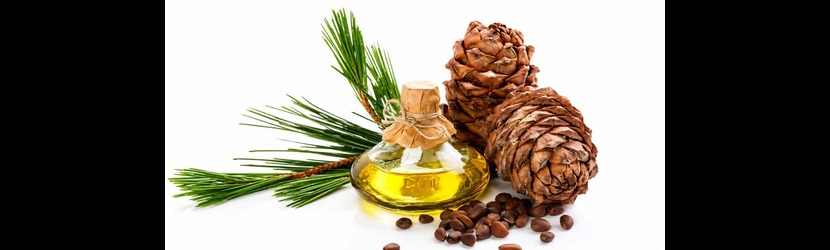
Cedar Wood Oil is one of those ingredients that looks simple to source until you actually try. At Silverline Chemicals, we've noticed most buyers assume all Cedar Wood Oil Manufacturers are essentially interchangeable, until a shipment arrives with a thinner scent, an inconsistent shade, or a batch that just doesn't perform the way the last one did. Getting this right comes down to understanding a few things most suppliers won't volunteer unless you ask.
Not All Cedar Wood Oil Comes From the Same Tree
This is the part buyers overlook most often. "Cedar wood oil" isn't one fixed product, it can come from Cedrus atlantica, Juniperus virginiana, or Cedrus deodara, and each species produces a noticeably different oil. Atlas cedar tends toward a softer, sweeter character. Virginia cedar leans sharper and more resinous. If a supplier can't tell you immediately which species you're buying, that's usually the first sign they're reselling rather than genuinely manufacturing.
Why Distillation Time Actually Matters Here
Unlike floral or citrus oils, cedar wood oil comes from chipped or ground wood rather than petals or rind, and the aromatic compounds sit deep inside that structure. Steam has to work through the material for considerably longer than it would with lighter oils to pull those compounds out properly. Manufacturers who rush this step to turn around orders faster end up with an oil that smells thin and lacks the depth buyers are actually paying for.
What Separates a Serious Manufacturer From a Reseller
A few practical markers tend to show up consistently:
-
They can name the exact cedar species in the bottle without hesitation
-
They test each batch individually rather than reusing a spec sheet from months back
-
Their pricing stays relatively stable, since manufacturers with proper wood sourcing don't need to cut corners to compete
-
They can speak to how the wood was aged or seasoned before distillation began
The Questions That Actually Reveal Quality
Before placing a bulk order, ask directly: which cedar species is this, can I see a Certificate of Analysis for this specific batch, how was it stored before shipping, and what's the honest lead time if I need more later. None of these are difficult questions for a genuine manufacturer to answer. Hesitation on any of them is usually worth noticing.
Where This Oil Actually Gets Used
Its steady demand comes from real versatility. Perfumers rely on it as a base note that helps lighter, more volatile scents hold their ground for hours instead of minutes. Cosmetic formulators use it in scalp and hair products for its soothing properties. Aromatherapy blends lean on its grounding, calming character. And its natural ability to deter moths and certain insects has made it a genuine alternative to synthetic repellents.
A Note on Storage Before You Order in Bulk
Cedar wood oil holds up better than citrus or floral oils over time, but it isn't indestructible. Ask what packaging a supplier uses for shipment and how they'd recommend storing it once it arrives, since prolonged heat or light exposure will still degrade it eventually, just more slowly than it would a fragile oil.
The Citrus-Sharp Oil Buyers Often Pair With Cedar Wood
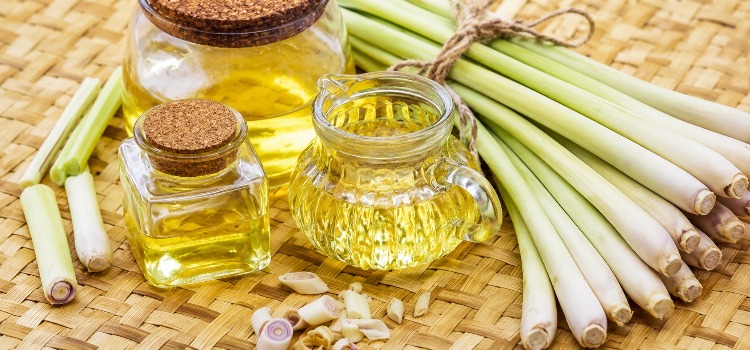
Formulators building insect repellents or candle blends around cedar wood frequently bring Citronella Oil Manufacturers into the same order. Citronella's bright, lemony sharpness contrasts well against cedar wood's grounded base, and the sourcing checks matter just as much here, confirmed citronellal content, proper distillation, and batch testing to catch any dilution before it reaches a finished product.
The Resinous Note That Rounds Out Many Perfumery Blends
Frankincense Oil Manufacturers enter the conversation often for buyers layering cedar wood into perfumery or aromatherapy work. Frankincense brings a warm, slightly sweet, resinous quality that complements cedar's woodiness rather than competing with it. Quality here comes down to resin origin and how carefully the distillation was handled, the exact same fundamentals that matter with cedar wood itself.
Our Approach at Silverline Chemicals
We keep this simple, tell buyers exactly which cedar species they're getting, back every batch with its own documentation, and give realistic lead times instead of vague promises. Whether it's a trial order to test a new formulation or a recurring bulk arrangement, the goal stays the same: no surprises once the shipment arrives.
Frequently Asked Questions:
1. What are the main benefits of cedar wood oil?
Mostly its calming, grounding aroma, which is why aromatherapy blends lean on it so heavily. It's also genuinely useful in natural insect repellents and candles, and in perfumery it does something subtler but important, it helps lighter, more delicate scents stick around longer instead of fading within an hour.
2. What is cedar wood oil typically used for?
You'll find it most in perfumery, hair and scalp care products, aromatherapy diffusers, and natural moth or insect repellents. The warm, woody scent gets most of the attention, but the functional properties behind it are just as much a reason people keep buying it.
3. Does cedar wood oil actually do anything for hair or scalp problems?
A lot of formulators seem to think so, it shows up regularly in scalp treatments for its soothing effect, and there's a reasonable belief that it supports a healthier scalp when it's properly blended into an oil or shampoo base.
4. How do I actually know if the cedar wood oil I'm buying in bulk is genuine?
Ask for a test report tied to that specific batch, not some general spec sheet that's been floating around for months. That's really the only way to confirm species, purity, and consistency before you commit to a bigger order.
5. Why does the price swing so much between different cedar wood oil suppliers?
Usually comes down to how the wood was sourced, how long the distillation actually took, and whether proper testing happened at all. If a price looks unusually low, there's a decent chance one of those three got skipped somewhere along the way.