- Home
- Company Profile
-
Mint Products
- Menthol Crystals
- Natural Menthol Crystals
- Menthol Bold
- Medium Crystals
- Menthol Melted
- Dementholised Peppermint Oil
- Levomenthol
- Crystal Levo Menthol
- Natural Peppermint
- Mentha Piperita Oil
- Mentha Spearmint Oil
- Organic Menthol Crystals
- Racemic Menthol
- Filter Aid Cellulose
- Cellulose Welding Grade
- Natural Menthol Crystals USP/BP/EP
-
Essential Oils
- Spearmint Oil
- Castor Oil
- Mentha Citrata Oil
- Indian Basil Oil
- Eucalyptus Oil
- Thymol Crystals
- Camphor
- Sorbitol Solution
- Menthol Powder
- Methyl Salicylate
- Lavender Oil
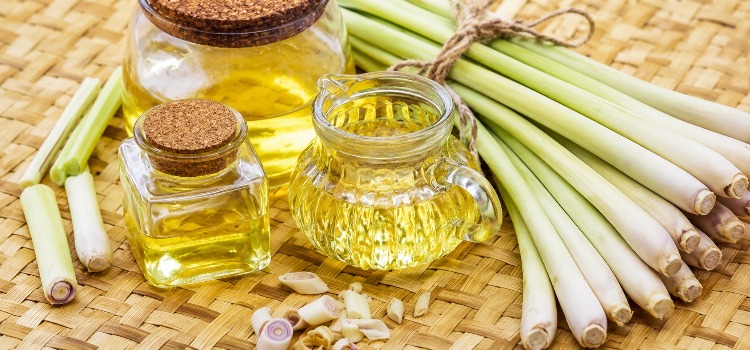
- Lemongrass Oil
- Lemon Oil
- Tea Tree Oil
- Lime Oil
- Rosemary Oil
- Linseed Oil
- Jojoba Oil
- Peppermint Oil
- Eucalyptol 99% Oil
- Juniper Berry Oil
- Bergamot Oil
- Tagetes Oil
- Isoeugenol Oil
- Sweet Almond Oil
- Orange Oil
- Mentha Arvensis Oil
- Cajeput Oil
- Aniseed Oil
- Terpineol Oil
- Anethole Oil
- L Limonene Oil
- Pure Lemongrass Oil
- Natural Oil
- Saw Palmetto Oil
- Pumpkin Seed Oil
- Refined Pistachio Oil
- Niaouli Oil
- BP Lemon Oil
- COA Lavender Oil
- Laurel Seed Oil
- Fennel Seed Oil
- Terpeneless Dill Seed Oil
- Clove Oil
- Star Anise Oil
- Aloe Vera Oil
- Pomegranate Seed Oil
- Hazelnut Oil
- Natural Dill Seed Oil
- Wheat Germ Oil
- Aromatic Chemical
- Carrier Oil
- Garlic Oil
- Nicotine USP/EP
- Davana Oil
- Evening Primrose Oil USP /BP
- Aniseed Oil Food Grade And USP/BP
- Neem Oil
- Pine Oil USP/BP
- Ajowan Oil
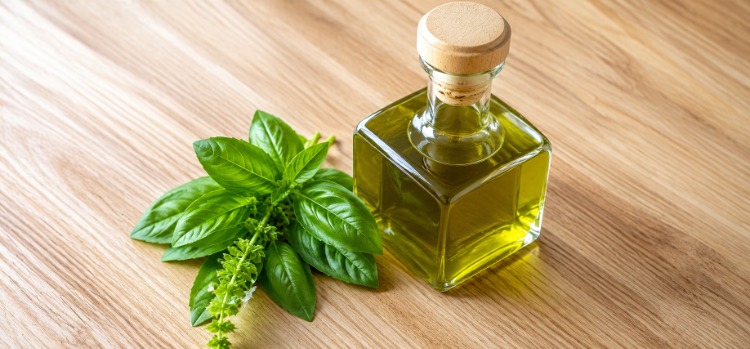
- Basil Oil
- Bay Leaf Oil
- Black Cumin Seed Oil
- Black Pepper Oil
- Calamus Oil
- Caraway oil
- Cassia Oil
- Cedar Wood Oil
- Celery Seed Oil
- Cinnamon Bark Oil
- Cinnamon Leaf Oil
- Citriodora Oil
- Citronella Java Oil
- Citronella Oil
- Clove Bud Oil
- Clove Stem Oil
- Clove Leaf Oil
- Coriander Oil
- Cumin Oil
- Curcuma Aromatica Oil
- Curry Leaf Oil
- Dill Seed Oil
- Eucalyptus Citriodora Oil
- Fennel Oil
- Frankincense Oil
- Galangal Oil
- Gingergrass Oil
- Ginger Oil
- Green Pepper Oil
- Hing Oil
- Asafoetida Oil
- Mace Oil
- Mint Oil
- Mustard Oil
- Nutmeg Oil
- Palmarosa Oil
- Patchouli Oil
- Thyme Oil White
- Thyme Oil Red
- Turmeric Oil
- Vetiver Oil
- White Pepper Oil
- Ylang-Ylang Oil
- Geranium Oil
- Cinnamon Oil
- Wheatgerm Oil
- Moringa Oil
- Green Cardamom Oil
- Onion Oil
- Oregano Oil
- Sage Oil
- Ajwain Oil
- Laurel leaf Oil
- Celery Oil
- Saffron Oil
- Tarragon Oil
- Angelica Oil
- Sildenafil Citrate
- Sesame Oil
- Anise Oil
- Eucalyptol Oil
- Thyme Oil USP/BP
- Thyme Oil
- Rosemary Oil USP/BP
- Anise Oil EP
- Natural Essential Oils
- Spearmint Oil 60%
- Patchouli Indian Oil
- Nagarmotha Oil
- Indian Rose Oil
- Rose Oil
- Natural Patchouli Oil
- Natural Lavender Oil
- Natural Lemongrass Oil
- Cedarwood Oil
-
Aromatic Chemicals
- Benzyl Benzoate
- Isoborneol Flakes
- D Limonene Oil
- Alpha Terpinyl Acetate
- Alpha Thujene
- Alpha Terpinene
- Alpha Pinene Ex Turpentine Oil
- Alpha Pinene Ex Eucalyptus Oil
- Alpha Phallendrene
- Alpha Ionone
- Alpha Damascone
- Beta Damascone
- Beta Pinene
- Beta Caryophyllene
- Beta Ionone
- Benzaldehyde
- Benzyl Acetate
- Citronellyl Propionate
- Citronellol
- CIS 3 hexenyl Acetate
- CIS 3 Hexanol
- Cinnamic Aldehyde
- Citronellyl Acetate
- Cinnamic Alcohol
- Cinnamic Acetate
- D Carvone
- Delta 3 Carene
- Dihydromyrcenol (DHM)
- Eugenol USP/BP
- Geraniol
- Geranyl Propionate
- Geranyl Acetate
- Gamma Terpinene 98%
- IsoBornyl Acetate
- L Carvone
- Linalool
- Linalool Oxide
- Linalyl Acetate
- L-Limonene
- Methyl Eugenol USP/BP
- Rose Oxide
- Rose Crystal
- Styrallyl Acetate
- Terpinen 4 Ol
- Carvacrol
- Sesame Oil USP/BP/FCC
- Menthyl Acetate
- Fragrances
- Calcium Stearate
- Methyl Eugenol
- Linalyl Acetate USP/BP
- Eucalyptol USP/BP
- Thymol Crystals USP/BP/EP
-
Oleoresins
- Capsicum Oleoresin
- Coriander Oleoresin
- Garlic Oleoresin
- Cumin Oleoresin
- Mace Oleoresin
- Ginger Oleoresin
- Nutmeg Oleoresin
- Black Pepper Oleoresin
- Paprika Oleoresin
- Asafoetida Oleoresin
- Asafoetida Oleoresin W/S
- Hing Oleoresin
- Black Pepper Oleoresin W/S
- Granulated Black Pepper Oleoresin
- Capsicum Oleoresin Water Soluble
- Celery Seed Oleoresin
- Cardamom Oleoresin
- Cardamom Oleoresin W/S
- Cassia Oleoresin W/S
- Cassia Bark Oleoresin
- Coriander Co2 Extract Oleoresin
- Roasted Coriander Oleoresins
- Cumin Seed Oleoresin
- Cumin Seed Oleoresin W/S
- Roasted Cumin Oleoresin
- Clove Bud Oleoresin
- Fenugreek Oleoresin
- Roasted Fenugreek Oleoresin
- Liquid Fenugreek Oleoresin
- Fenugreek Seed Oleoresin
- Garlic Oleoresin W/S
- Encapsulated Garlic Oleoresin
- Green Garlic Oleoresin
- Roasted Garlic Oleoresin
- Ginger Oleoresin W/S
- Green Ginger Oleoresin 40%
- Green Chilly Oleoresin
- Liquid Green Chilli Oleoresin
- Mace Spice Oleoresin
- Mace Oleoresin 30%
- Nutmeg Oleoresin W/S
- Onion Oleoresin
- Paprika Oleoresin W/S
- Turmeric Oleoresin
- Turmeric Oleoresin W/S
- Curcumin Oleoresin
- Cassia Oleoresin
- Oleoresin Capsicum
- Permethrin
- Thyme Oleoresin
- Coriander Leaf Oleoresin
- Basil Oleoresin
- Bay Oleoresin
- Celery Oleoresin
- Chive Oleoresin
- Cinnamon Oleoresin
- Cocoa Oleoresin
- Curry Leaf Oleoresin
- Fennel Oleoresin
- Jalapeno Pepper Oleoresin
- Lemon Oleoresin
- Mint Oleoresin
- Mustard Oleoresin
- Pepper Longum Oleoresin
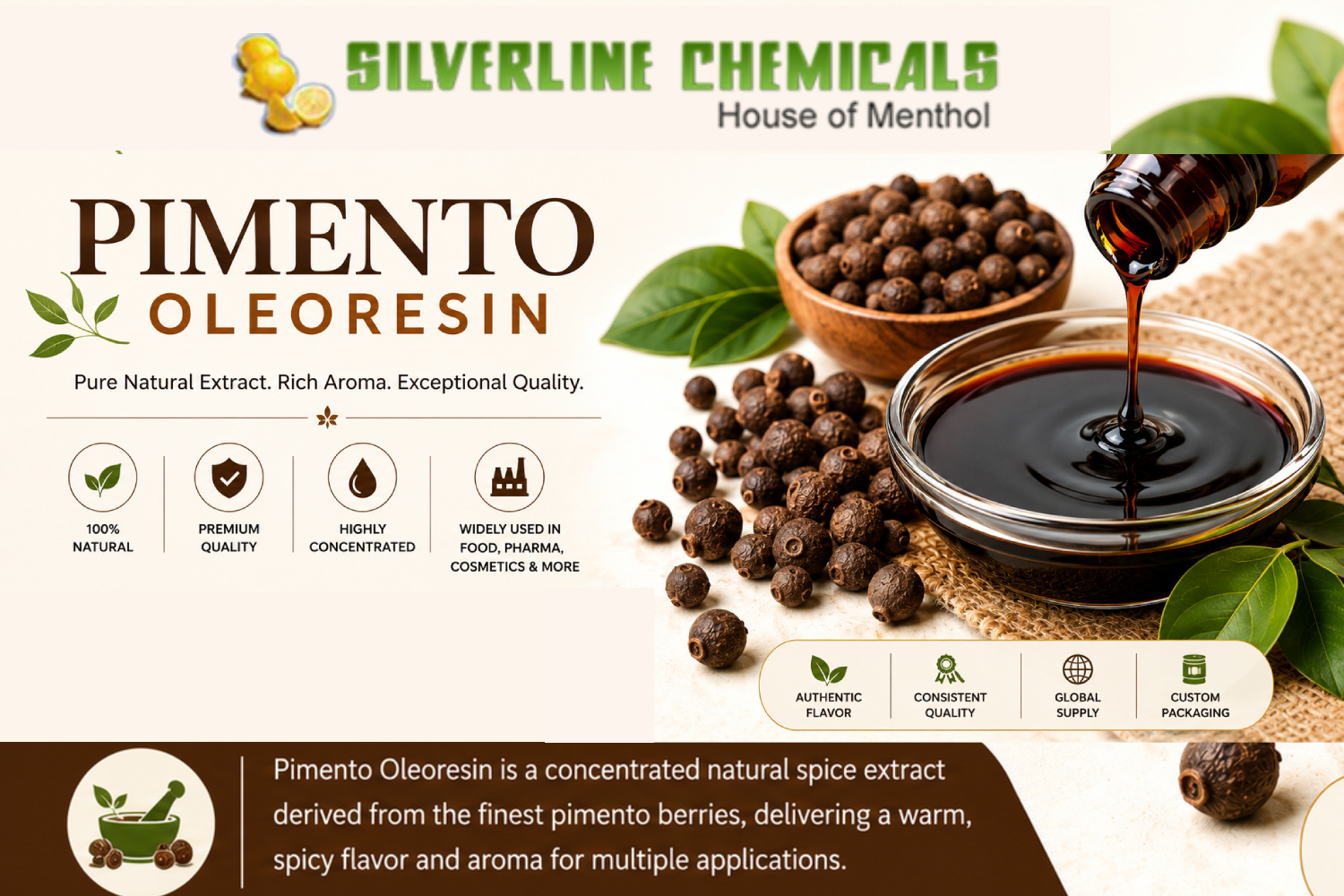
- Pimento Oleoresin
- Rosemary Oleoresin
- Star Anise Oleoresin
- Tamarind Oleoresin
- Vanilla Oleoresin
- White Pepper Oleoresin
- Chilli Oleoresin
- Green Chilli Oleoresin
-
Pharmaceutical Ingredients
- USP Sildenafil Citrate
- Butylated Hydroxytoluene
- Sodium Nitrate
- Pharmaceutical Raw Materials
- Benzyl Alcohol USP/BP/EP/NF/PH.Eur
- Thymol USP/BP/EP/Ph.Eur
- Microcrystalline Cellulose
- Croscarmellose Sodium USP/BP/EP/PH.EUR
- Sodium Starch Glycolate USP/BP/EP/PH.EUR
- Magnesium Stearate USP/BP/EP/PH.EUR
- Menthol
- Calcium Stearate USP/BP/EP/PH.EUR
- Zinc Stearate USP/BP/EP/PH.EUR
- Zinc Oxide USP/BP/EP/PH.EUR
- Potassium Iodate USP/BP/EP/PH.EUR
- Sodium Iodide USP/BP/EP/PH.EUR
- Povidone Iodine USP/BP/EP/PH.EUR
- Colloidal Silicon (Aerosil)
- Sorbitol Solution 70% BP/USP (Non Crystalline Grade)
- Sorbitol Solution 70% BP/USP (Crystalline Grade)
- Maize Starch USP/BP
- Dextrose Anhydrous USP/BP
- Beeswax White USP/BP
- Beeswax Yellow USP/BP
- Beeswax Pastilles USP/BP
- Sildenafil Citrate USP/BP/EP
- Tadalafil USP/BP/EP
- Meloxicam USP/BP/EP
- Piroxicam USP/BP/EP
- Prilocaine USP/BP/EP
- Paracetamol USP/BP/EP
- Bromhexine Hydrochloride USP/BP/EP
- Sesame Oil USP/BP/IP
- Arachis Oil USP/BP/IP
- Butylated Hydroxy Anisole (BHA) FCC/BP/USP
- Bromelain
- Racemic Menthol USP/BP/EP/PH.EUR/FCC
- Chlorhexidine Gluconate USP/BP
- Sodium Picosulfate USP/BP/EP/PH.EUR
- Benzocaine USP/BP/EP/PH.EUR
- Lidocaine Base / HCL /USP/BP/EP/PH.EUR
- Menthol USP
- Anethole USP
- Myrtle Oil
- Cinnamon Oil BP
- Dill Seed Oil BP
- 1.8 Cineole USP/BP
- Fennel Oil USP/BP
- Nutmeg Oil BP
- Turpentine Oil BP
- Almond Oil USP/BP
- Cardamom Oil USP
- Coriander Oil BP
- Evening Primrose Oil USP
- Camphor Oil BP
- Ibuprofen USP/BP/EP/PH EUR
- Caffeine Anhydrous BP/USP
- Sodium Saccharin USP/BP/EP/PH.EUR
- Peg 1500 USP/BP
- Peg 400 USP/BP
- Orlistat USP
- Microcellulose (BP-2019/USP-41)
- Microcellulose PH-101 (PH-101 BP-2019/USP-41)
- Microcellulose PH-102 (PH-102 BP-2019/USP-41)
- Microcellulose PH-112 (PH-112 BP-2019/USP-41)
- Microcellulose PH-200 (PH-200 BP-2019/USP-41)
- Curcumin Extract 95% Powder USP/BP
- Curcumin Extract 95% Granules USP/BP
- Curcumin Pellets
- Nicotine Polacrilex USP
- Nicotine Bitartrate Dihydrate USP
- Nicotine salts
- Chlorocresol USP/BP
- P-Chlorocresol
- Thyme oil BP
- Methyl Salicylate USP/BP
- Natural Capsaicin Powder 95% USP
- Oleoresin Paprika
- Polysorbate-80 USP/P
- Tween 80
- Polysorbate 60 USP
- Tween 60
- Polysorbate-20
- Clotrimazole USP/BP
- Ketoconazole USP/BP
- Sodium Selenite USP/BP
- Spearmint Oil FCC USP/BP
- Ceteareth-20
- Ceteareth-25
- Sorbitol Solution USP/BP
- Eugenol USP/EP
- Sweet Almond Oil EP/BP/USP
- PEG 1500
- Bisacodyl USP/BP
- Carbomer Powder
- Carbopol 940 Powder
- Carbopol Powder
- Cetostearyl Alcohol
- Royal Jelly
- Lidocaine Hydrochloride
- Lidocaine Base
- Lidocaine HCL
- Meloxicam
- Piroxicam
- Benzocaine
- Prilocaine Hydrochloride
- Prilocaine Base
- Tetracaine Hydrochloride
- Tetracaine
- Articaine Hydrochloride
- Lidocaine Hydrochloride IP/BP/EP/USP
- Lidocaine Base IP/BP/EP/USP
- Meloxicam IP/BP/EP/USP
- Benzocaine IP/BP/EP/USP
- Prilocaine Hydrochloride BP/EP/USP
- Prilocaine Base BP/EP/USP
- Active Pharmaceutical Ingredients
- Povidone Iodine IP/BP/EP/USP
- Potassium Iodide IP/BP/USP
- Potassium Iodate BP
- Sodium Iodide BP/USP
- Iodoform USP
- Potassium Bromide IP
- Piperazine hexahydrate IP
- Nylon 66
- Copper Iodide
- Potassium Iodide
- Disinfectants
- Antifungal
- Antiseptic
- Thymol Iodide
- Iodophore 1.4%, 10%, 20%
- Povidone Iodine 20%
- Glutaraldehyde Solution IP 2.45 % w/v
- Iodine Derivatives
- Povidone Iodine
- Calcium Iodate Monohydrate
- Ethylenediamine Dihydroiodide
- Potassium Iodate
- Methyl Iodide
- Sodium Iodide
- Sodium Iodate
- Iodoform
- Sodium Metaperiodate (SMPI)
- Emollients
- Ethyl Hexyl Glycerine (EHG)
- Caprylyl Glycol
- Dimethyl Isosorbide (DMI)
- Phenoxyethanol + EHG
- Phenoxyethanol + Caprylyl Glycol Blend
- Potassium Iodide LR/AR/ACS
- Potassium Iodate LR/AR
- Sodium Iodide LR/AR/ACS
- Potassium Bromide LR grade
- Povidone Iodine IP/BP/USP
- Povidone Iodine Dusting Powder IP/BP/USP
- Povidone Iodine 5% Solution IP/BP/USP
- Povidone Iodine 7.5% Solution IP/BP/USP
- Povidone Iodine 10% Solution IP/BP/USP
- Povidone Iodine 7.5% Scrub IP/BP/USP
- Povidone Iodine Ointment 5% & 10% IP/BP/USP
- Povidone Iodine gargle 2% IP/BP/USP
- Potassium Hydroxide Powder
- Potassium Bromide Photographic
- 1, 2-Octanediol
- Pharmaceuticals Excipients
- MCC Carboxymethyl Cellulose Sodium
- Silicified MCC
- Powdered Cellulose
- Sodium Carboxymethyl Cellulose
- Calcium Silicate
- Stearic Acid
- Magnesium Stearate
- Mannitol
- Pregelatinized Starch
- Corn Starch
- Turmeric Extract
- Modified Cellulose Powder
- Cellulose Powder
- Alpha Cellulose
- Lactose Monohydrate
- Sodium Stearyl Fumarate
- Spirulina Powder
- Tadalafil API
- Crosscarmellose Sodium
- Tadalafil USP/BP
- Crosscarmellose Sodium USP/BP
- Microcrystalline Cellulose USP/BP
- Sorbitol USP/BP
-
Herbal Extracts
- Shatavari Root
- Akarkara Root
- Ashwagandha Root
- Asphalt
- Azadirachta Indica
- Bacopa Monnieri
- Boerhavia Diffusa
- Boswellia Serrata
- Camellia Sinensis
- Cassia Angustifolia
- Centella Asiatica
- Chlorophytum Borivilianum
- Cissus Quadrangularis
- Coffea Arabica
- Coleus Forskohlii
- Commiphora Mukul
- Curcuma Longa
- Eugenia Jambolana
- Garcinia Cambogia
- Garcinia Mangostana
- Glycyrrhiza Glabra
- Gymnema Sylvestre
- Lagerstroemia Speciosa
- Momordica Charantia
- Mucuna Pruriens
- Ocimum Sanctum
- Phaseolus Vulgaris
- Phyllanthus Emblica
- Piper Nigrum
- Punica Granatum
- Terminalia Arjuna
- Terminalia Bellirica
- Terminalia Chebula
- Tinospora Cordifolia
- Tribulus Terrestris
- Trifla
- Trigonella Foenum Graceum
- Withania Somnifera
- Zingiber Officinale
- Adhatoda Vasica
- Andrographis Paniculata
- Asparagus Racemosus
- Bromelain Powder
- Papain Powder
- Instant Coffee Powder Arabica
- Instant Coffee Powder Robusta
- Ashwagandha Extract
- Calendula Extract
- Garcinia Cambogia Extract
- Green Coffee Extract
- Menthone
- Neem Extract Powder 20% Azadirachtin Content
- Senna Extract
- Floral Extract
- Fruit Extract
- Dates Extract
- Black Raisins Extract
- Green Extract
- Green Raisins Extract
- Amla Extract
- Basil Extract
- Boswellia Extract
- Curcumin 95% Extract
- Coffee Extract
- Garcinia Extract
- Gooseberry Extract
- Green Tea Extract
- Guggul Extract
- Licorice Extract
- Oregano Extract
- Piper Longum Extract
- Piperine Extract
- Rosemary Extract
- Sage Extract
- Thyme Extract
- Olibanum Extract
- Black Pepper Powder
- Capsicum Powder
- Cardamom Powder
- Celery Powder
- Cinnamon Powder
- Cumin Powder
- Garlic Powder
- Ginger Powder
- Nutmeg Powder
- Paprika Powder
- Turmeric Powder
- Jasmine Absolute
- Jasmine Concrete
- Jasmine Sambac
- Jasmine Sambac Concrete
- Mimosa Absolute
- Mimosa Concrete
- Tuberose Absolute
- Tuberose Concrete
- Value Added Extracts
- Flavours
- Antioxidants
- Nutraceuticals
- Animal Nutrition
- Food Additive
- Spirulina Extract
- Cinnamon Extract
- Fennel Extract
- Fenugreek Extract
- Garlic Extract
- Ginger Extract
- Black Tea Extract
- Chicory Extract
- Cocoa Powder
- Curry Leaf Powder
- Green Chilli Extract
- Jalapeno Pepper Extract
- Jamun Extract
- Savory Extract
- Tamarind Extract
- Curry Leaves Extract
- Coffee Powder
- Castor Oil & Its Derivatives
- Blogs
- Sitemap
- Contact Us